A child’s skin is more than just a soft outer layer; it is a vital organ that serves as the first line of defense against the environment. However, because children’s skin is significantly thinner and more sensitive than adult skin, it requires a specialized approach to care. As parents and caregivers, understanding the nuances of pediatric skincare can prevent common issues like eczema, heat rash, and solar damage.
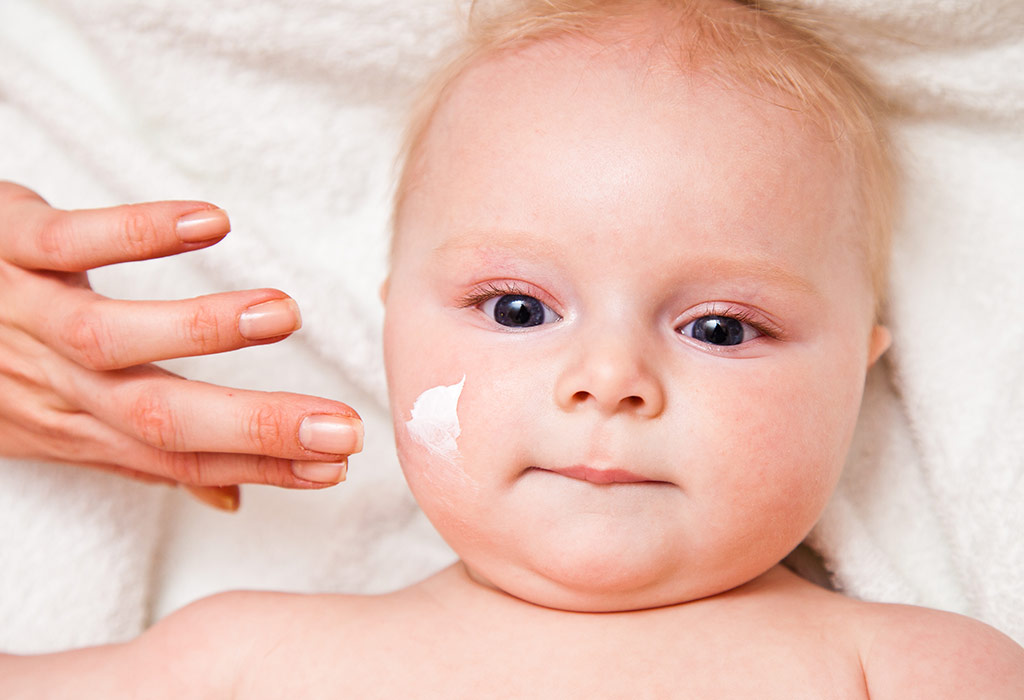
Maintaining healthy skin in children is a combination of consistent hygiene, nutritional support, and environmental awareness. In this article, we explore professional strategies to ensure your child’s skin remains resilient, hydrated, and glowing through every stage of their growth.
Prioritize Gentle Cleansing Habits
One of the most common mistakes in pediatric skincare is over-washing or using harsh soaps. A child’s skin has a natural pH balance and a protective lipid barrier that can be easily disrupted.
When bathing your child, keep the water temperature lukewarm rather than hot. Hot water strips away natural oils, leading to dryness and irritation. Limit bath time to 10 or 15 minutes to prevent the skin from becoming waterlogged and then losing moisture rapidly upon drying.
Choose a cleanser that is “soap-free,” fragrance-free, and hypoallergenic. Traditional soaps often contain surfactants that are too aggressive for young skin. After the bath, avoid rubbing the skin with a towel. Instead, gently pat the skin dry, leaving it slightly damp to prepare for the next crucial step: moisturizing.
The Golden Rule of Hydration: Moisturize Early and Often
Moisturizing is perhaps the most critical habit for preventing pediatric dermatitis and general itchiness. The best time to apply a moisturizer is within three minutes of exiting the bath. This “soak and seal” method traps the residual moisture from the water into the skin layers.
For children with normal skin, a light lotion may suffice. However, for those prone to dry patches or eczema, thick creams or ointments are far more effective. Look for ingredients like ceramides, which help rebuild the skin barrier, or glycerin and petrolatum, which provide a protective seal. Avoid products containing alcohol, dyes, or heavy perfumes, as these are primary triggers for allergic reactions in children.
Sun Protection is Non-Negotiable
Sun damage is cumulative, and studies suggest that a significant portion of a person’s lifetime UV exposure occurs during childhood. Protecting your child’s skin from the sun is not just about avoiding a temporary burn; it is about long-term health.
For babies older than six months and school-aged children, apply a broad-spectrum sunscreen with an SPF of at least 30. Mineral sunscreens containing zinc oxide or titanium dioxide are often preferred for children because they sit on top of the skin and reflect rays rather than being absorbed like chemical filters.
Remember that sunscreen is only one part of the equation. Encourage the use of wide-brimmed hats, UV-rated clothing, and sunglasses. Most importantly, try to limit outdoor play during peak intensity hours, typically between 10:00 AM and 4:00 PM.
Dress for Comfort and Skin Breathability
The fabric touching your child’s skin throughout the day plays a major role in their skin health. Synthetic materials like polyester or nylon can trap heat and sweat, leading to friction and heat rashes (miliaria).
Natural fibers, specifically 100% cotton, are the gold standard for children’s clothing. Cotton is breathable and absorbent, allowing the skin to regulate temperature effectively. When washing these clothes, use a “free and clear” detergent. Residual chemicals from heavy fragrances or fabric softeners in laundry can often be the hidden culprit behind mysterious skin rashes.
Internal Health and Skin Vitality
What goes into your child’s body is just as important as what is applied topically. Skin cells require specific nutrients to regenerate and stay strong. A diet rich in antioxidants, found in colorful fruits and vegetables, helps protect cells from environmental stress.
Essential fatty acids, found in foods like walnuts, flaxseeds, and fatty fish, are instrumental in maintaining the skin’s oil barrier. Furthermore, ensure your child stays well-hydrated by drinking plenty of water throughout the day. Dehydration often shows up first on the skin, making it look dull and feel less elastic.
Managing Seasonal Changes
Children’s skin needs change with the weather. In the winter, indoor heating systems create extremely dry air, which can lead to “winter itch” and cracked skin. During these months, using a humidifier in the child’s bedroom can add necessary moisture back into the environment.
In the summer, the focus shifts to managing sweat and preventing fungal infections. Ensure your child changes out of wet swimwear or sweaty play clothes immediately to prevent irritation in the folds of the skin.
Conclusion
Healthy skin in childhood sets the foundation for healthy skin in adulthood. By adopting a “less is more” philosophy—using fewer chemicals and more consistent, gentle protection—you can safeguard your child’s comfort and well-being.
Consistency is the key. While it may seem like a chore to apply sunscreen every morning or moisturizer after every bath, these small actions build a resilient skin barrier. Monitor your child’s skin regularly, and if you notice persistent redness, scaling, or itching that does not respond to basic care, consult a pediatric dermatologist. With the right habits, you can ensure your child’s skin remains as healthy and vibrant as their spirit.