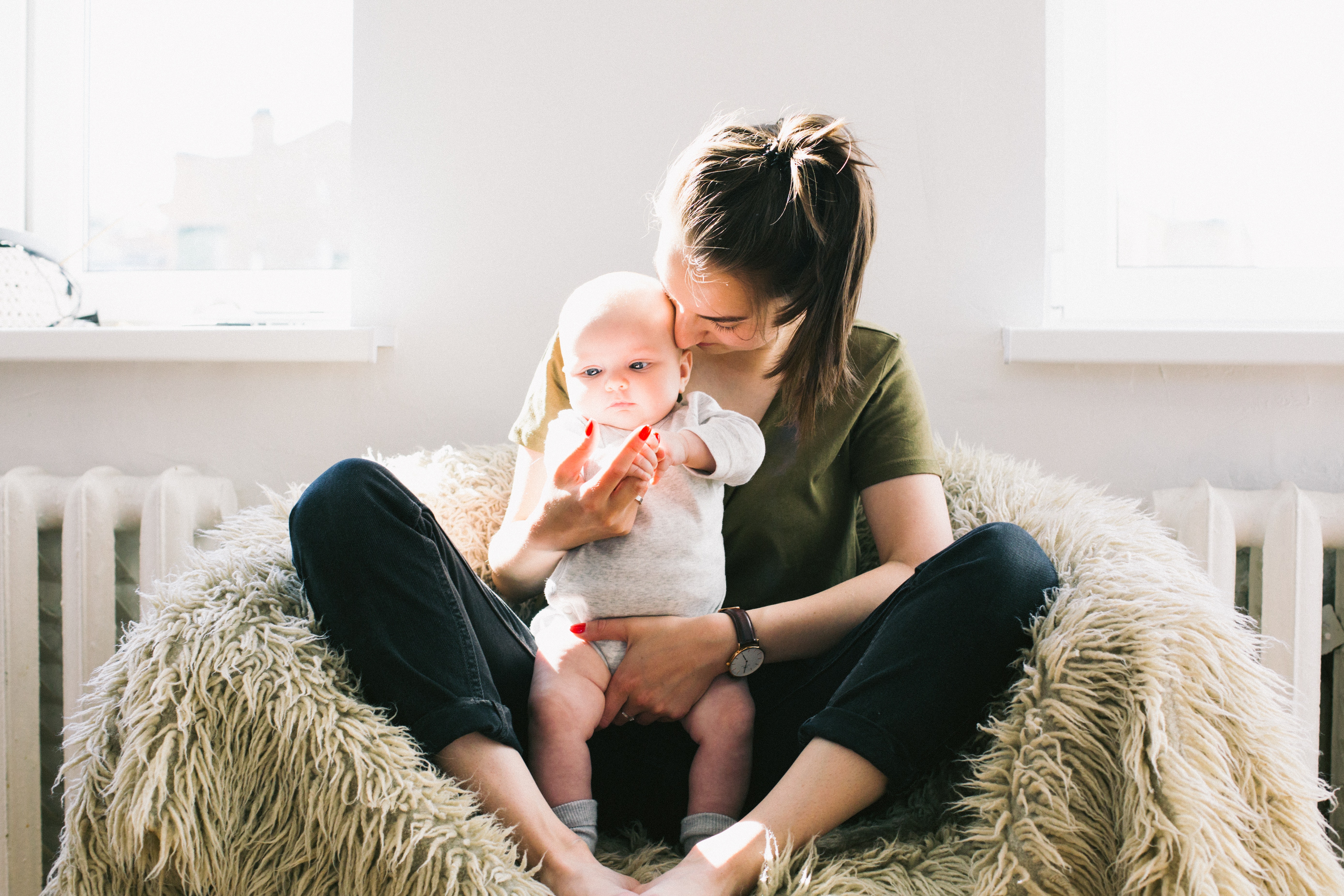
Postpartum anxiety is a common disorder that affects many new mothers. It is characterized by always worrying about the baby, and bad thoughts about the baby (e.g., the baby may be hit by something, etc). You might check on your sleeping baby many times each night. You may physically feel your heart pounding when everything seems fine. But don’t blame yourself for it, and don’t even say that you are not good, since you are a great mother.
The positive news to remember is that postpartum anxiety is treatable. So mothers should not let it control their lives forever. Also, postpartum anxiety treatment does not always follow a particular schedule. Typically, it varies according to each mother’s circumstances. Some recover well in a few weeks, while others may take months or even longer to recover.
Note that you are not broken. You are not a bad mother. You are not alone. If you are reading this while holding your baby and feeling scared, worried, or overwhelmed by fears that seem too big to handle, please know this truth: this is not something you will experience your whole life. Do not think for a minute that it is impossible to ever get better. Stay hopeful always, and life will change for the better. Let’s keep reading to understand how long postpartum anxiety can last, its causes, and ways to deal with it.
How long does postpartum anxiety last?
There is no set time. Studies have revealed that if left untreated, it can last from six months to several years. Still, many mothers report that their anxiety has improved significantly within six months with the help of professionals and the right treatment. Many factors may impact both the length of your anxiety and the time required for it to go away, including:
- How soon will assistance be received?
- The severity of the symptoms
- Previous history of anxiety or depression
- Home support availability
- Having access to the right treatment
- General stress levels in everyday life (e.g., financial problems or relationship issues, etc.)
Other reasons that can cause anxiety to persist longer include:
- Sleep deprivation: Anxiety makes it impossible to sleep, and it is difficult to function when you don’t get enough rest
- Hormone fluctuations: The process of breastfeeding, the return of the menstrual cycle, and other factors can affect how you feel. It may take many months for your body to adjust to your new body and its new needs after giving birth to your baby.
- Perfectionism: Perfectionistic demands are yet another factor for a new mom. Your recovery could have been prolonged due to setting the bar so high for yourself.
Types of Postpartum Anxiety
There are different types of anxiety that women suffer through when they become mothers. The most common are:
Obsessive thoughts:
It isn’t uncommon to have scary thoughts, such as “What if I drop the baby?” or “What if my baby falls ill?” or “What if my child is taken from me?” Such thoughts may seem so real and dangerous that it is hard to shake the feeling that something horrible is going to happen.
Additionally, studies show that 83% of people develop OCD in the postpartum period, indicating a higher risk of developing new or worsening OCD after delivery. Therefore, it’s best to consult an OCD psychiatrist in the postpartum period as a preventative measure.
General anxiety:
Generalized anxiety is very similar to regular anxiety. In this type of anxiety, you experience over-stimulation. You may feel like you are constantly anxious about your child’s well-being, what you are doing, or whether something bad will occur. For example, a new mom said: I haven’t been able to sleep because I’ve always thought that if I don’t watch my son, something bad will happen to him.
Panic attacks:
These are unexpected and overwhelming episodes, such as heart palpitations, shortness of breath, or the sense that you are about to die. “I felt like I’d had firecrackers popped at me,” one mother reported. “The whole situation was too noisy, and the light was too bright. I thought I was having a heart attack.”
Birth trauma:
Sometimes, your fear and discomfort stem from your birth experience, which was incredibly painful or frightening. You may be having nightmares about your birth, be afraid of having another painful birth, or feel panicked remembering the event. The pain and terror of that experience can even dissuade you from having more children.
When to get professional help?
Seek help with your anxiety if you experience:
- Persisting anxiety for more than a few weeks
- Impossible to take care of the baby daily and do regular tasks
- Interrupts your sleep even when you have the chance
- Having lasting symptoms of anxiety attacks, such as sudden periods of intense fear and discomfort that may include palpitations, rapid, irregular heartbeat, sweating, etc.
- The development of the habit of escaping from people and activities
- Racing thoughts of self-harm
Seeking professional help is a form of self-care, not a weak path. A mental health professional, such as a board-certified integrative psychiatrist, has a deep understanding of what new mothers experience and offers customized practical therapies to help ease anxiety.
There are effective treatment options for postpartum anxiety:
- Talk therapy with a skilled psychiatrist can help learn new ways to deal with anxiousness. Many moms report good feelings through the counseling process.
- Medications help address the chemical imbalances in the brain. A psychiatrist usually prescribes these medications after a thorough analysis (e.g., allowed in nursing without any bad effects on the infants, considering drug interaction prevention, etc).
- Support groups are when two or more mothers share similar experiences. This helps reduce loneliness, pain, and self-doubt.
Today, with the help of technology, it is possible to access specialist support for every mental health issue and join online support groups. Some psychiatric care services, like GABA Telepsychiatry, offer psychiatric care 24/7, even on the same day, weekends, and in case of emergency.
Other approaches that speed up the effectiveness of treatment and help speed your recovery include:
- Go outside whenever you have a chance.
- Maintain a healthy, regular eating pattern, such as eating nutritious foods and drinking water.
- Sleep when you can
- Some light chores or light exercise, like yoga
- Reach out to other mothers
- Try to stay away from coffee and other drinks that contain caffeine
- Reach out to other mothers
Please remember that, if you’re going through postpartum anxiety, don’t suffer in silence. Help is available! Treatment is available. Most importantly, your mental health is important to your baby, your child’s (i.e., their development of a healthy brain), your family, and your future self.