Losing one or more teeth is an experience that goes beyond mere aesthetics. It impacts how you speak, what you can eat, and how you feel when you look in the mirror. For decades, the traditional solution to tooth loss was the removable denture. However, as dental technology has advanced into 2026, a more permanent and sophisticated solution has taken center stage: dental implants.
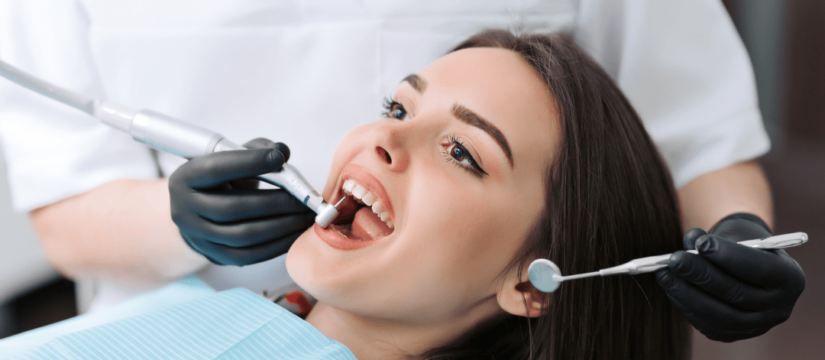
While dentures remain a viable option for some, more patients are opting for dental implants to reclaim their oral health and quality of life. Making the choice between these two options requires an understanding of how they function, their long-term health benefits, and the lifestyle changes they bring. This article explores the compelling reasons why dental implants are increasingly considered the superior choice for modern smile restoration.
Understanding the Fundamental Difference
To appreciate why implants are often preferred, one must understand how they differ from dentures at a structural level. A denture is a removable prosthetic that sits on top of the gums. It relies on suction, or sometimes specialized adhesives, to stay in place. Because it rests on the surface, it does not interact with the underlying bone structure.
In contrast, a dental implant is a titanium post that is surgically inserted into the jawbone. This post acts as a prosthetic tooth root. Over a period of several months, a biological process called osseointegration occurs, where the bone actually fuses with the titanium. Once this foundation is secure, a custom-made crown is attached. This creates a replacement tooth that is anchored just as securely as a natural one.
Superior Stability and Functionality
One of the primary complaints from denture wearers is “slippage.” Because dentures are not fixed, they can shift while the wearer is speaking or laughing, which can lead to social anxiety and embarrassment. Furthermore, the biting force of dentures is significantly lower than that of natural teeth. This often forces individuals to avoid hard, crunchy, or chewy foods, which can lead to nutritional deficiencies over time.
Dental implants eliminate these concerns entirely. Because they are fused to the bone, they provide a level of stability that dentures simply cannot match. You can eat apples, steak, and nuts with the same confidence as you would with natural teeth. There is no clicking sound, no fear of the prosthetic falling out, and no need for messy adhesives. For many, this return to “normalcy” is the single greatest benefit of choosing implants.
Preserving Jawbone Health and Facial Structure
Perhaps the most significant medical reason to choose implants over dentures is bone preservation. Your jawbone requires the stimulation of tooth roots to maintain its density. When a tooth is lost and replaced with a surface-level denture, the bone underneath begins to resorb, or shrink, because it is no longer being stimulated.
Over several years, this bone loss can lead to a collapsed facial appearance, often characterized by sunken cheeks and a protruding chin—a look frequently associated with premature aging. Because dental implants mimic the function of natural roots, they provide the necessary stimulation to keep the jawbone strong and intact. Choosing implants is not just about replacing teeth; it is about preserving the structural integrity of your entire face.
Longevity and Value for Money
At first glance, dentures often seem like the more attractive option due to their lower upfront cost. However, when looking at the long-term financial commitment, the perspective changes. Dentures are subject to wear and tear. Furthermore, as the jawbone changes shape due to resorption, dentures must be professionally relined or replaced entirely every five to seven years to maintain a proper fit.
Dental implants are designed to be a lifetime solution. While the initial investment is higher, the titanium post can last for decades, often for the rest of a patient’s life, with proper oral hygiene. When you factor in the costs of replacements, relines, adhesives, and cleaning solutions associated with dentures, implants often prove to be the more cost-effective investment over the long term.
Comfort and Convenience in Daily Life
Living with dentures requires a significant change in daily routine. They must be removed at night, cleaned with specialized tablets, and kept in a soaking solution. There is also the potential for gum irritation and sores if the dentures do not fit perfectly.
Dental implants, however, are integrated into your lifestyle seamlessly. You brush and floss them exactly like your natural teeth. There are no extra steps, no soaking rituals, and no risk of misplacing your teeth on the bedside table. They become a part of you, rather than a tool you use. This “set it and forget it” nature of implants provides a level of psychological comfort that is hard to quantify but deeply felt by those who make the switch.
Conclusion: A Lifetime of Confidence
Choosing between dental implants and dentures is a decision that affects your health, your appearance, and your daily happiness. While dentures have served humanity well for generations, they cannot compete with the biological and functional advantages offered by modern implant technology.
By opting for dental implants, you are choosing a solution that protects your jawbone, restores your full chewing power, and provides a permanent, natural-looking smile. It is an investment in your future self—allowing you to speak, eat, and smile without a second thought. If you are looking for the gold standard in tooth replacement, the choice is clear: dental implants offer a level of permanence and vitality that truly changes lives.