When wandering through the vibrant streets of Lima or stepping into a traditional Peruvian eatery anywhere in the world, you will likely encounter a deep, jewel-toned purple beverage served in tall, frosted glasses. This is not a grape juice, nor is it a modern synthetic creation. This is Chicha Morada, a drink with a lineage that stretches back to the Incan Empire.
In a world increasingly dominated by sugary sodas and artificial energy drinks, health-conscious consumers and culinary explorers are searching for alternatives that offer both flavor and functional benefits. The question arises: Is Chicha Morada truly a “good” wholesome drink, or is it simply another sugary treat disguised as a cultural relic? To answer this, we must look into the science of its ingredients, its traditional preparation, and how it fits into a modern balanced diet.
The Anatomy of Chicha Morada: More Than Just Corn
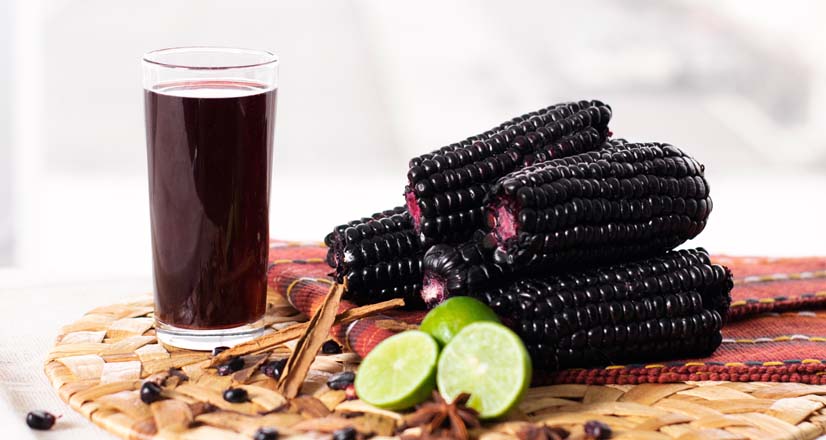
At the heart of Chicha Morada is maíz morado, a unique variety of purple corn grown primarily in the Peruvian Andes. Unlike the yellow corn common in North America, this corn is not eaten off the cob; it is prized for the deep pigmentation in its kernels and cobs.
To create the drink, the purple corn is boiled in water along with a variety of aromatics and fruits. Traditionally, this includes:
- Pineapple Rinds and Core: These add a subtle sweetness and a hint of acidity.
- Cinnamon and Cloves: These warm spices provide the characteristic “spiced” aroma.
- Quince or Green Apples: These contribute pectin and a tart fruitiness.
- Fresh Lime Juice: Added at the very end to “awaken” the flavors and brighten the color.
Because it is prepared through a simmering process rather than chemical extraction, the resulting liquid is a potent infusion of plant-based compounds. This traditional method is the foundation of its “wholesome” reputation.
The Power of Anthocyanins: A Science-Backed Superfood
The most compelling argument for Chicha Morada being a healthy choice lies in its color. The deep purple hue is caused by a high concentration of anthocyanins, specifically C3G (cyanidin-3-glucoside). Anthocyanins are a type of flavonoid with powerful antioxidant properties, also found in blueberries, acai, and red cabbage. However, purple corn is often cited as having one of the highest concentrations of these compounds in the plant kingdom.
Antioxidants are essential because they neutralize free radicals—unstable molecules that can cause oxidative stress and damage cells. Research has suggested that the specific antioxidants in purple corn may offer several health benefits:
- Anti-Inflammatory Effects: Anthocyanins help reduce systemic inflammation, which is a root cause of many chronic diseases.
- Cardiovascular Support: Studies have indicated that Chicha Morada can help lower blood pressure and improve circulation by promoting the health of blood vessels.
- Metabolic Health: There is emerging evidence that these compounds may help regulate blood sugar levels and assist in lipid metabolism, making it a subject of interest for those managing weight or diabetes.
The Wholesome Verdict: Natural vs. Commercial
To determine if Chicha Morada is “good and wholesome,” we must distinguish between the traditional home-brewed version and the commercially bottled varieties found in supermarkets.
The Traditional Version: When made from scratch, you have total control over the ingredients. You are essentially drinking a fruit and spice tea. The wholesome nature is high because the base is water-infused with vitamins and minerals from the corn and pineapple. The only potential downside is the addition of sugar. In many Peruvian households, Chicha Morada is served quite sweet. However, the “wholesomeness” can be preserved by using natural sweeteners like honey, stevia, or simply relying on the natural sugars of the boiled fruits.
The Commercial Version: Many bottled or powdered versions of Chicha Morada are little more than “purple-flavored” sugar water. They often lack the actual corn extract, using artificial dyes and high-fructose corn syrup instead. These versions strip away the medicinal benefits and replace them with empty calories. If you are looking for health benefits, the commercial, shelf-stable versions rarely qualify as wholesome.
A Digestive Aid and Refreshment
Beyond the micronutrients, Chicha Morada has long been used in South American tradition as a digestive aid. The combination of cinnamon, cloves, and lime juice is remarkably soothing for the stomach after a heavy meal. Unlike carbonated drinks that can cause bloating, Chicha Morada is a non-carbonated, hydrating beverage that provides a refreshing “cleansing” sensation.
Its versatility is also part of its charm. It can be served ice-cold on a humid afternoon to quench thirst, or it can be served warm during cooler months, acting as a spiced cider that comforts the senses.
How to Incorporate Chicha Morada into a Healthy Lifestyle
If you are looking to replace your daily soda or sweetened tea with Chicha Morada, here are a few tips to ensure it remains a wholesome choice:
- Brew It Yourself: Look for dried purple corn at international grocery stores or online. Boiling the cobs yourself ensures you get the full dose of anthocyanins.
- Limit Added Sugars: Try drinking it “extra tart” with plenty of lime and very little sugar. The spices (cinnamon and clove) provide a psychological sense of sweetness even without added glucose.
- Use the Whole Fruit: Don’t just use the pineapple skin; add the core as well, which contains bromelain, an enzyme that aids digestion.
Conclusion: A Cultural Treasure with Functional Benefits
Is Chicha Morada the good, wholesome drink it claims to be? The answer is a resounding yes, provided it is prepared traditionally. It is a rare example of a beverage that bridges the gap between ancient cultural tradition and modern nutritional science. By harnessing the antioxidant power of the Andes’ purple corn, it offers more than just hydration; it offers a functional boost to the cardiovascular and inflammatory systems.
As we move toward a more “back-to-basics” approach to nutrition, Chicha Morada stands out as a brilliant alternative to processed beverages. It is a celebration of biodiversity and a reminder that nature often provides the most effective “superfoods” in the simplest forms—like a humble ear of purple corn.